In January 1881 four days of extremely severe weather brought large areas of England to a standstill, with southern England particularly badly effected. From the 17th to 20th January 1881 a heavy fall of snow accompanied by very strong winds created deep snow drifts that blocked homes, roads and the rail network. Telegraph wires were broken and the postal network struggled to cope. Large numbers of small birds died of starvation and sheep froze to death in the fields. It was estimated that the severe weather caused the deaths of about 100 people from exposure or from lack of food or fuel.[1]
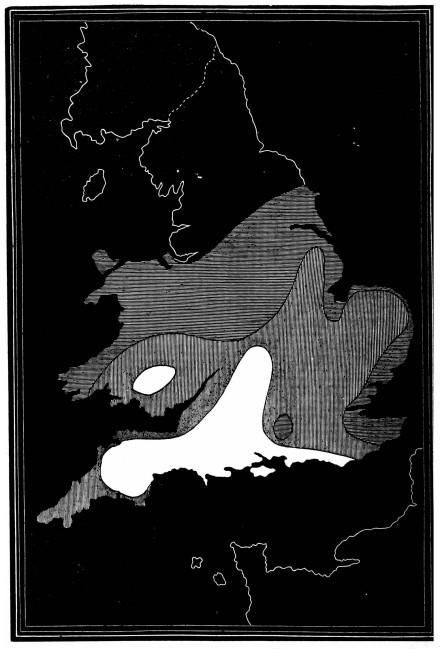
In Dorset the average snow fall inland was 15 inches[2] which when blown into drifts blocked the regions roads and rail network. By Thursday, 20th January the streets in Sherborne were impassable, businesses were closed and people had to be dug out of their homes.[3] On Saturday, 22nd January the Local Board of Health held an emergency meeting to discuss the situation and in particular what could be done to help the town’s poor.[4]
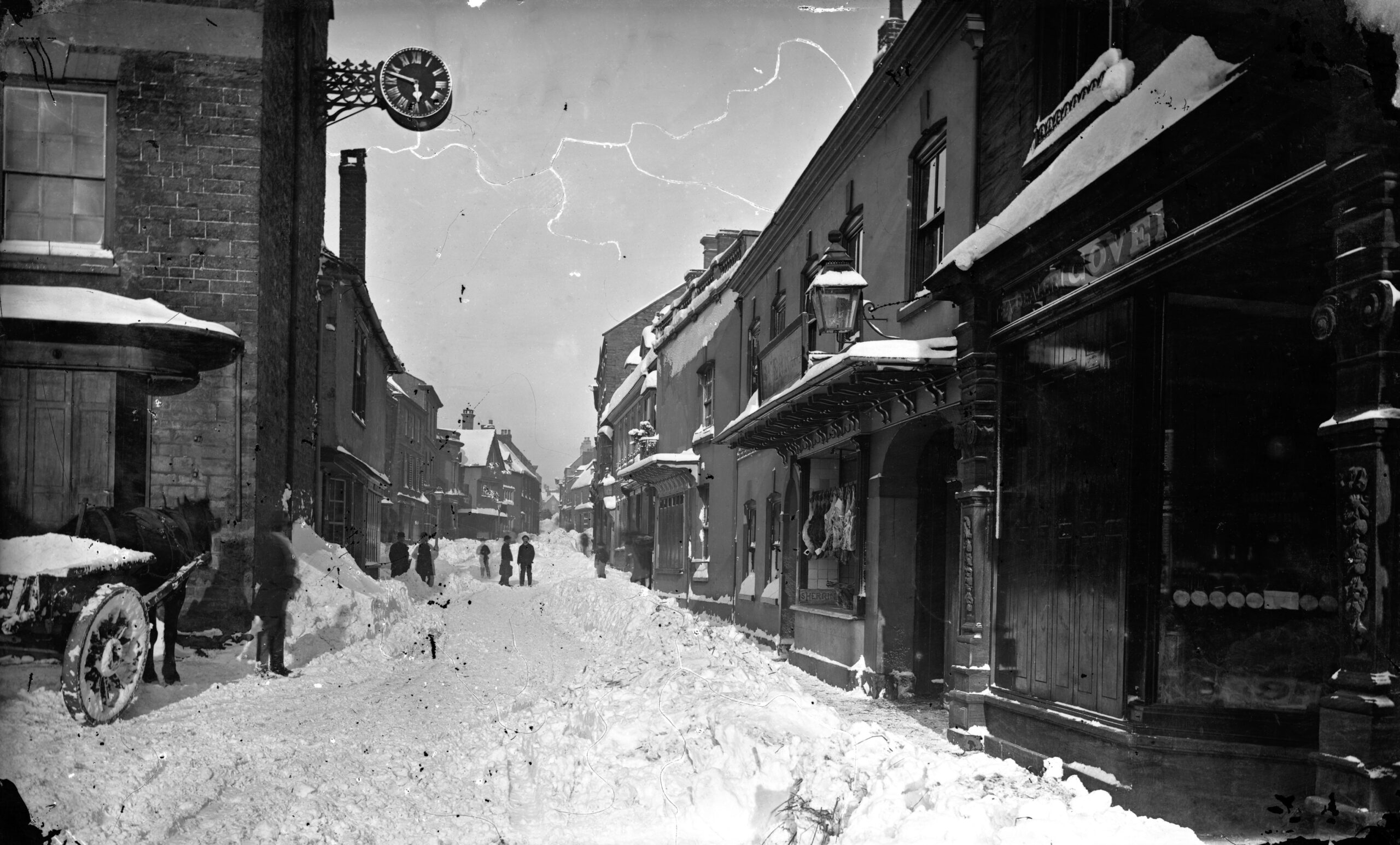
The following letter, written from Sherborne on Sunday, 23rd January 1881, provides a first-hand account of the impact of the severe weather conditions on the locality: [5]
Sherborne 23rd January
My dear Bertha
Did I thank you for your likeness I value it much, but so many things have occupied me lately that I fear I do not always recollect to say something that is uppermost in my mind when I sit down to write. I hope you have bread & meat as well as vegetables to eat. Poor people in lonely cottages are out of reach of the relieving officer’s bread cart, he tried in vain to reach some near Purse Caundle – I suppose they will wade over the snow for food. Glanvilles Wootton is still unreachable by carriage or cart, so Edward Dale is here & William Dale there alone. The Postman got there yesterday for the first time since Tuesday & brought a letter saying he was not worse but was very poorly still. Did I tell you of Octo’s wading home through the snow on Friday, with Alfred’s gun, & coming in about an hour after he had started for London. The snow was more than 20 feet deep in many places. A fir wood was worth seeing, like a scene in Canada. Octo & Charlie cleared away quantities of snow yesterday near our house, it now reaches up to the back kitchen window. Men are taking cartloads today from the streets, I suppose lest houses should be flooded. There is no service at Castleton this evening, the gas pipes being frozen. Your Father & brother & E Dale went to Church. Madeleine has a cold & I stayed at home. The street looks strange with a footpath for one person only on the pavement cut by shovels, & a clearing in the road made for carts by a steam plough drawn by six horses, great mounds of snow between this with a cutting made to peoples doors. I do not think we ever saw so much snow – tons have been taken from our roof, stable & coachhouse. Teddy’s father was out on two nights clearing the railroad with forty men – the Inspector came from Exeter & rewarded them with a good dinner. Four Engines have been used for a train of about 4 carriages. Alfred left before 4 pm & got to Ernest’s house at 11 pm, slept there & went on yesterday. Winfred likes his post very much but has work enough. Octo had to leave his clothes at the Manor House, so he cannot go tomorrow to Craven Hill Gardens. A Soup Kitchen is to be opened tomorrow here for the poor, I have had to make soup for 5 families in my District. Many birds come to be fed. Edith says they are well supplied with food & are well. Your Aunt Laura is still at St Leonards.
Our love & best wishes for you & your Uncle. May God bless & preserve you.
Your affectionate Mother, C. Benthall.
We are all well except Madeleine & Hannah who have colds.
The author of the letter was 63-year-old Clementina Benthall (1841-1914) who lived at The Red House in Long Street, Sherborne. The letter provides not only information about how the town was coping with the severe weather conditions but also reveals Clementina’s interest in social welfare and the conditions of the poor, current affairs and technological innovations.
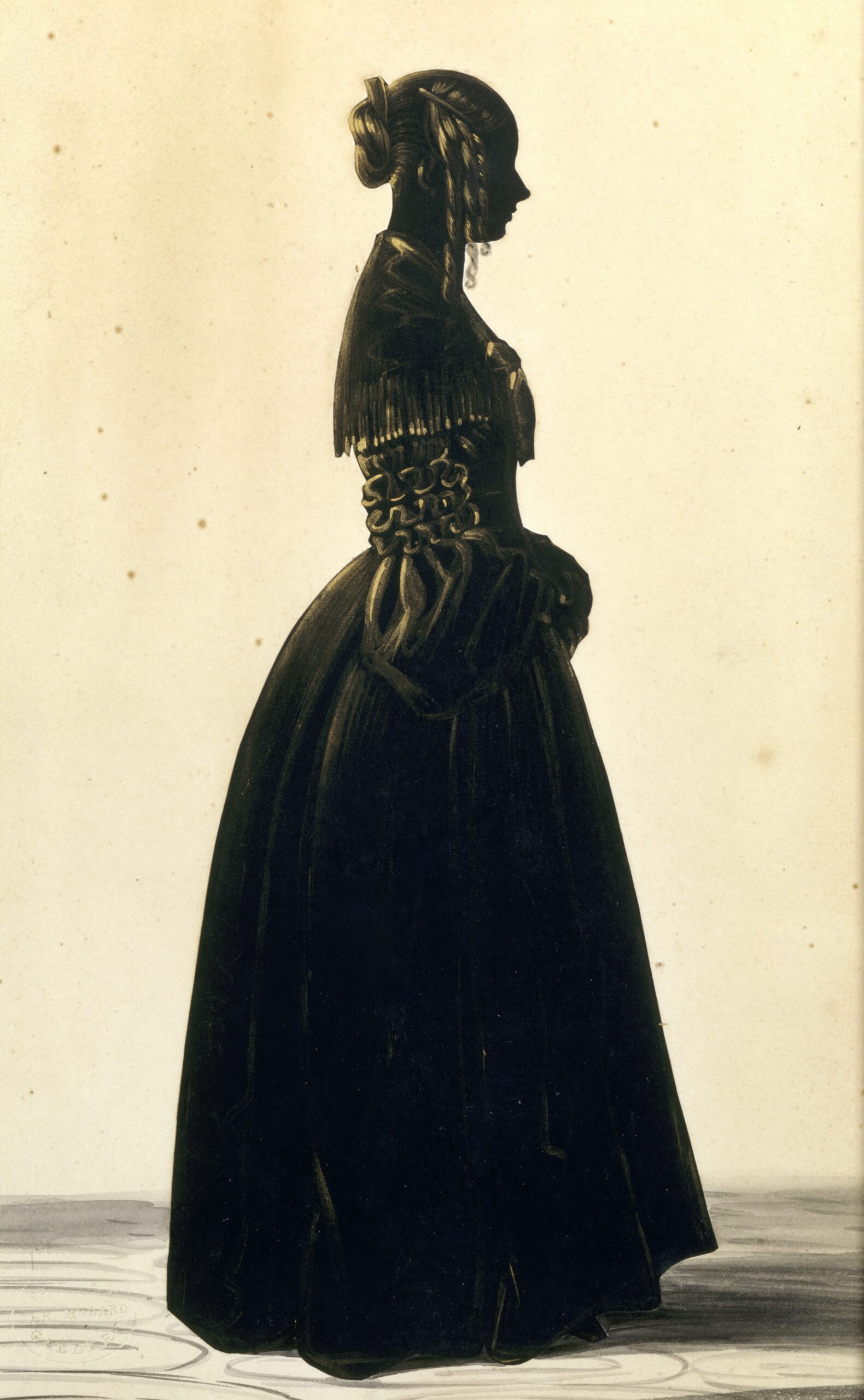
Born at Totnes in Devon on 7 November 1817, Clementina was the eldest daughter of the Rev. William Marshall (1774-1864) and his wife Isabella Carolina Clarke Ogilvie Perry Ogilvie (1792-1833).[6] On 24 March 1840 Clementina married her first cousin Edward Benthall (1807-1889) of the Bengal Civil Service[7] and during the first 15 years of their married life she accompanied him on his various postings to India and Bangladesh.[8] Although Clementina and Edward lived a relatively privileged life, these cannot have been easy years for Clementina who during these overseas postings gave birth to six children, three sons and three daughters, the first of whom, Clement[9], was born on 28 August 1841 on the voyage out to India.
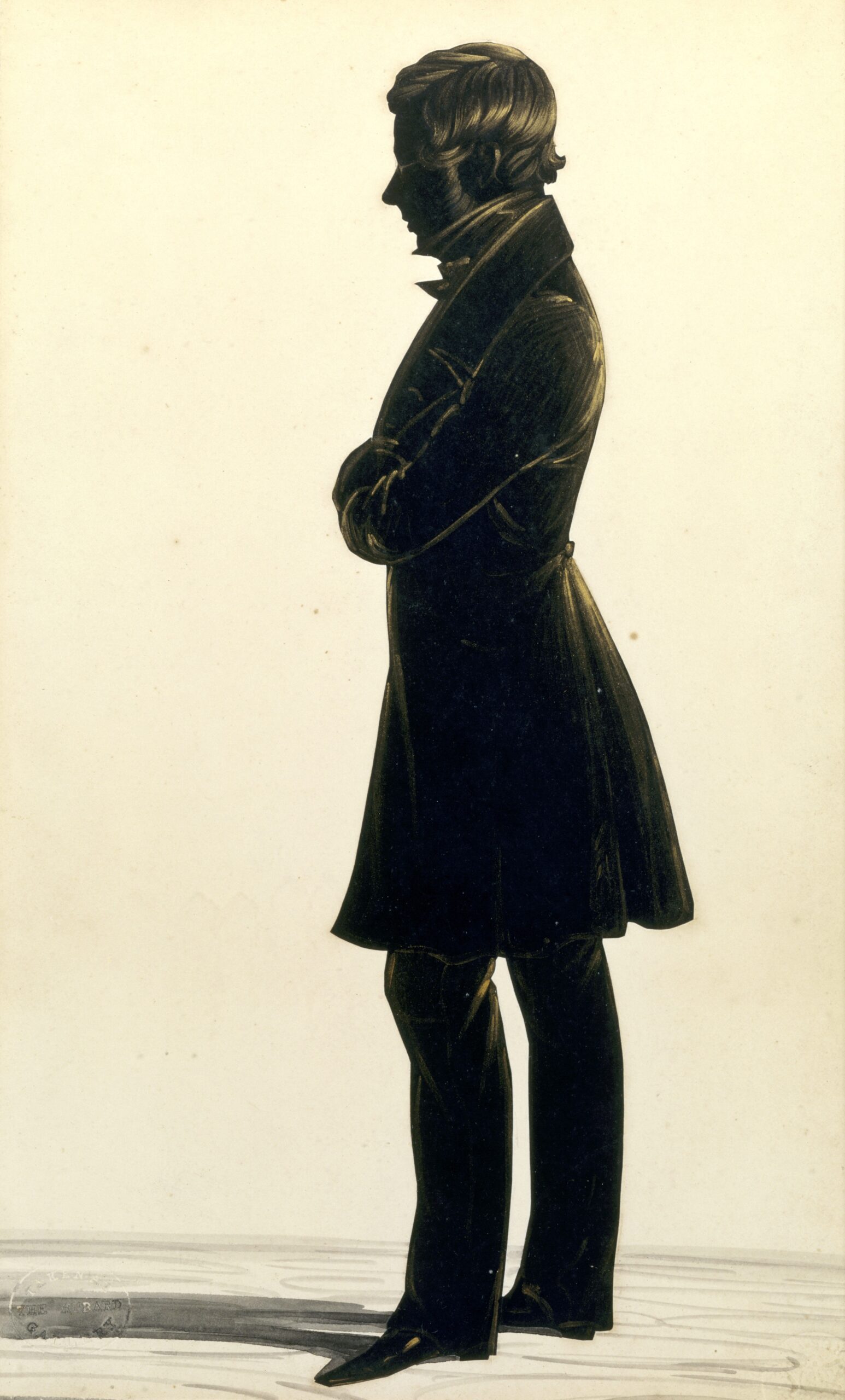
In 1855, Edward, who had been struggling with poor health for a number of years, retired from the Bengal Civil Service and returned with his family to England, where they settled in Sherborne at The Red House in Long Street.[10] Back in England Clementina gave birth to three more children, all boys. Their six sons, Clement, Ernest, Winfred, Alfred, Octavius and Charles, all attended Sherborne School as Foundationers[11] (i.e. day boys), whereas their three daughters, Edith, Madeleine and Bertha, appear to have been educated at home by governesses.[12]

By January 1881, Clementina and Edward had lived at Sherborne for 25 years where they had both become involved with a number of local charitable and educational institutions. Clementina was a governor of Lord Digby’s School for Girls, then located at Foundation House in Westbury (now the Britannia Inn), and Edward was a Justice of the Peace for Dorset, a Governor of Sherborne School and one of the Brethren of Sherborne Almshouse. He was also a member of the Committee of the Yeatman Hospital and a frequent visitor at the Sherborne Union Workhouse in Horsecastles where he regularly conducted a Sunday Service.[13]
The recipient of Clementina’s letter was her 30-year-old unmarried daughter Bertha[14] who was then away from home visiting an uncle. The uncle was probably Francis Benthall (1816-1903), the wealthy, widowed and childless brother of Bertha’s father. Later that year Bertha and her brother Charles visited Francis together[15] which suggests close family ties and explains why in his will Francis settled his Devon estates on Charles.[16]
In her letter Clementina describes the impact of the severe weather on the poorer sectors of society. Although the Benthall’s were comfortably off with a staff of servants to look after them, Clementina was particularly concerned about the conditions of the poor. She mentions her concerns for those living in outlying villages who the relieving officer’s bread cart was unable to reach and that she had made soup for five local families.
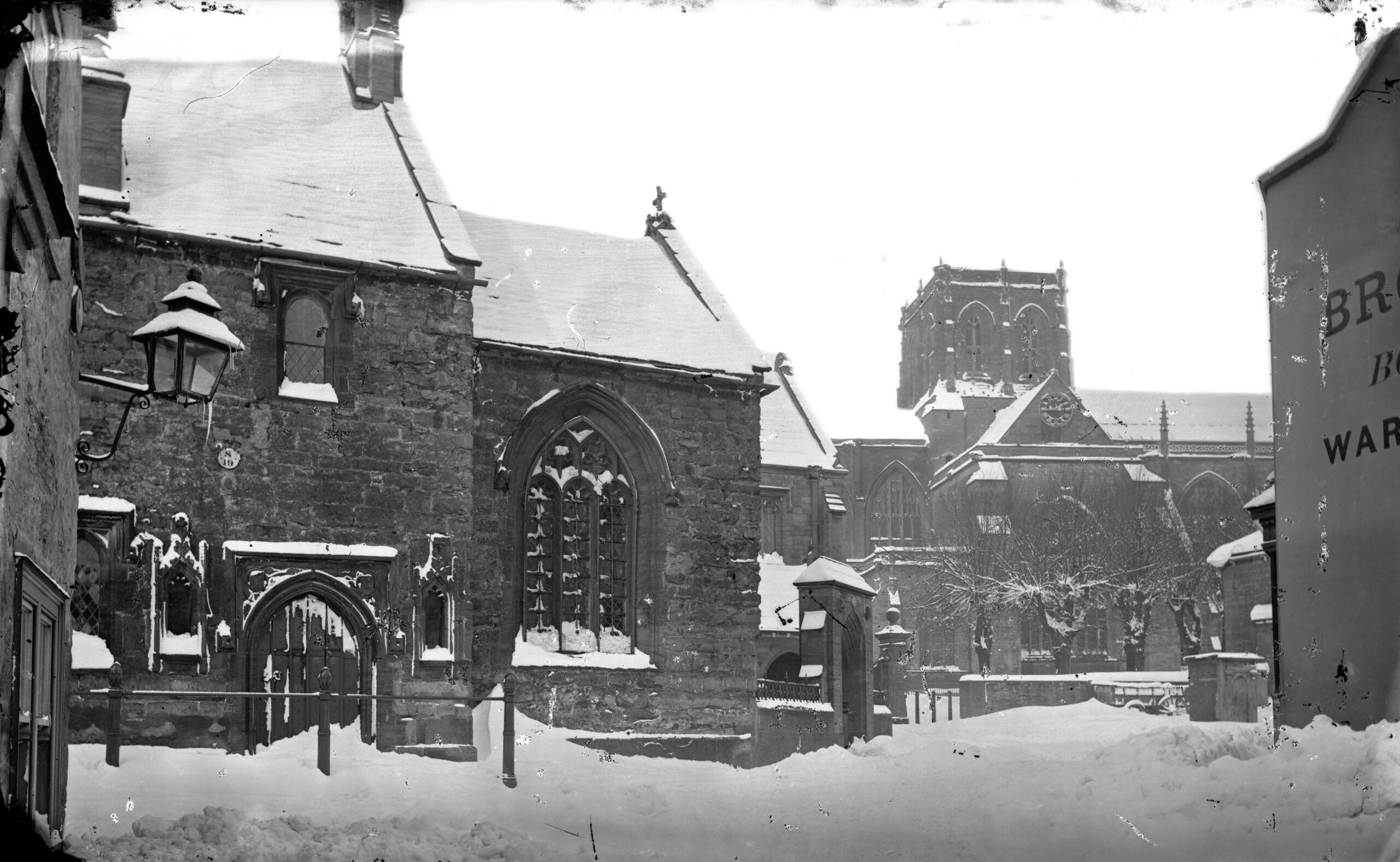
Clementina also tells Bertha that a soup kitchen for the poor was going to be opened in Sherborne the next day. The emergency soup kitchen[17] was the suggestion of the town’s Medical Officer of Health, Dr Nathaniel Edward Davies (1841-1914).[18] It had been a number of years since an emergency soup kitchen was last opened in the town[19] but Dr Davies generously offered the use of his 60-gallon copper at Gainsborough House in South Street and immediately set about raising funds to buy ingredients for the soup as well as bread and coal for the poor. Mr George Digby Wingfield Digby, the owner of Sherborne Castle, immediately donated £5 to the fund and a committee was set up to collect donations from around the town. With no other means of communication available, the town crier went around the town announcing that soup tickets would be distributed that evening at the Town Hall in Half Moon Street. The price of the soup, although not free was heavily subsidised with tickets costing a penny per quart (2 pints) and limited to four per family. On the morning of Monday, 24th January between 9 and 10 am the first batch of soup (240 quarts/480 pints) was given out at Gainsborough House, with the same amount given out again that evening and on subsequent days. By Wednesday, 26th January enough money had been collected to distribute 100 cwts (5,080 kg) of coal to the poor and on Friday, 28th January 150 loaves of bread were also given out. When the soup kitchen closed at the end of February 1881, 1,943 soup tickets had been sold and 15 tons (15,000 kg) of coal purchased and distributed to the poor. [20]
Clementina also describes in her letter the state of the local road and rail networks. She tells Bertha that her brother Octo had tried to get to London, presumably by train, but had returned home after an hour. She also mentions that groups of men were helping to clear the rail tracks and that four engines were required to pull just four carriages.[21] Later that week two dinners were hosted by the South Western Railway Company at the Plume of Feathers in Half Moon Street to thank the men who had helped clear the rail tracks.[22] Clementina also describes how the roads were cleared using a steam plough pulled by six horses. This steam plough was the property of Mr Digby of Sherborne Castle who loaned it to the town, but with self-propelling steam ploughs not yet being available horsepower was still required to pull it along the roads.[23]
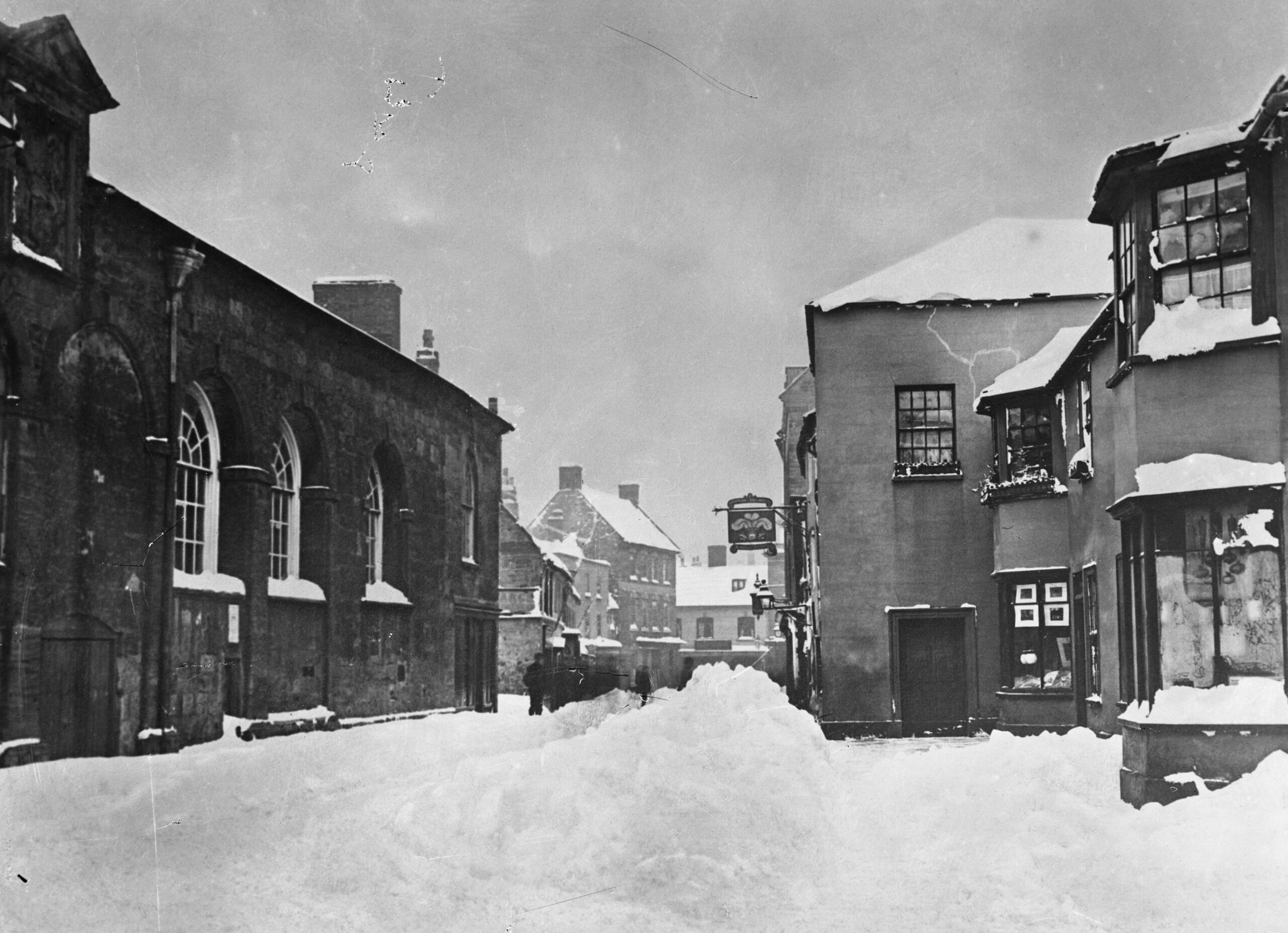
Alongside dealing with the initial impact of the severe weather on individuals and businesses, there was also a very real fear of what would happen when the vast quantities of snow began to melt. Clementina mentions in her letter that men were removing cartloads of snow from the streets in order to prevent flooding when the thaw set in, and at the Board of Health meeting held the previous day the committee agreed that the scavenger and his team should concentrate on clearing snow from the main thoroughfares and drains to ensure that the meltwater could get away. The committee also agreed that in order to prevent flooding in the Westbury area of town, they would ask Mr Digby to lower the lake at Sherborne Castle and at Pinford Mill and ask Mr Willmott, the owner of Westbury silk mill, and the miller at West Mill to allow the locks to be drawn.[24]
Clementina’s letter gives the impression that the Benthalls were a close-knit family and she is at pains to provide Bertha with news of all her siblings. The two youngest boys, Octo[25] and Charlie,[26] were then both at home, Octo had recently graduated from Hertford College, Oxford and was about to embark on a career in the Church, eventually becoming Rector of Oborne and Goathill and Vicar of Haydon, and Charlie, who was in his first year at Pembroke College, Cambridge would also later enter the Church becoming Vicar of Cofton in Devon and Chaplain at Tangier. She mentions that Edward Dale was staying with them. Edward was the son of the famous entomologist James Charles Dale (1791-1872) of Glanvilles Wootton and was engaged to Bertha’s sister Madeleine with their marriage date set for April that year.[27] Two of Bertha’s brothers were doctors, Alfred,[28] who was House Surgeon at Hartlepool Hospital, had taken over seven hours to reach the home of his brother Ernest[29] at Redcliffe Road in Kensington, and Winfred,[30] who was House Surgeon at the Derby Royal Infirmary, was enjoying his new post but working hard. Bertha’s sister Edith,[31] who was married and living at St Leonards-on-Sea, was well supplied with food, and her other sister Madeleine, and also Hannah the parlour maid, had colds!
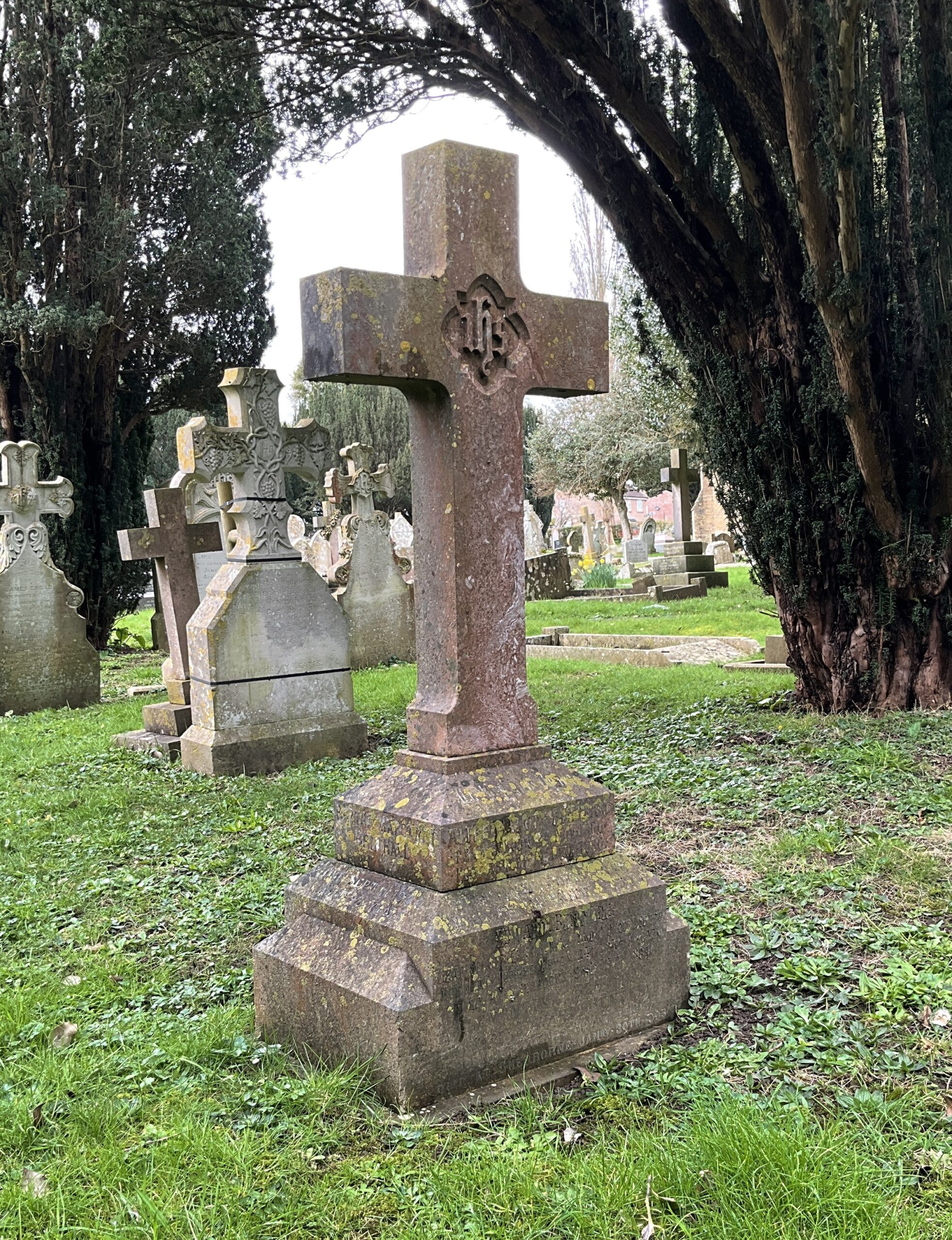
Following the death of her husband in 1889, Clementina and Bertha moved to a house in Newland, Sherborne which they rented from Sherborne Almshouse.[32] It was here that Clementina died on 30 January 1905, aged 87. Her funeral was held at Sherborne Cemetery on 2 February 1905 where she was buried alongside her husband.
Clementina’s obituaries mentioned her ‘charitable disposition,’ her ‘zealous work in connection with numerous local institutions,’ [33] that she ‘had always led a life of charity and in trying to do good to others’, that she had served as a governor of Lord Digby’s School for Girls, and was in many other ways ‘most useful.’ [34]
Clementina died a wealthy lady. Her estate at her death was valued at £7,599, equal today to approx. £806,000.[35] By her will she left legacies to all her surviving children, but the rest of her property and household effects, including her journals and letters, she left to Bertha.
Rachel Hassall
6 January 2026
See also:
Paintings by Clementina Benthall (née Marshall) (1817-1905), held at Benthall Hall, Shropshire
The Benthall Papers of Sir Edward Charles Benthall, Centre of South Asian Studies, University of Cambridge, includes material relating to Edward Benthall (1807-1889) and Clementina Benthall (née Marshall) (1817-1905)
The Benthall family grave, Sherborne Cemetery (FindaGrave)
Footnotes:
[1] Symons’s Monthly Meteorological Magazine, vol. 181, February 1881, Met Office Digital Library and Archive (accessed 3 January 2026)
[2] Symons’s Monthly Meteorological Magazine, vol. 181, February 1881, Met Office Digital Library and Archive (accessed 3 January 2026)
[3] ‘Sherborne’, Western Gazette, 21 January 1881, British Newspaper Archive (accessed 5 January 2026)
[4] ‘What shall we do with the snow?’, Western Gazette, 28 January 1881, British Newspaper Archive (accessed 5 January 2026)
[5] Dorset History Centre ref. Ph/375: ‘Description of hard winter weather in a letter to Bertha Benthall from her mother at Sherborne’. With grateful thanks to Mrs Ann Smith for help transcribing this letter.
[6] Through Isabella Carolina Clarke Ogilvie Perry Ogilvie’s mother Clementina Perry (née Clark) (1776-1813) the family inherited a portion of the Langley Estate in Jamaica, UCL Legacies of British Slavery Database (accessed 4 January 2026)
[7] Edward Benthall (1807-1889) was born on 24 April 1807 at Totnes, Devon, third son of William Searle Benthall (1778-1854), a merchant and banker, and Mary Anne Benthall (née Marshall). He was educated at Buckfastleigh Grammar School and the East India College, Haileybury. In 1872 he joined the Bengal Civil Service, with whom he served for 28 years. He died at Sherborne on 9 June 1889 and was buried in Sherborne Cemetery on 13 June 1889. A comprehensive history of the Benthall family is available on Nicholas Kingsley’s, Landed family of Britain website (accessed 4 January 2026)
[8] The Benthall Papers of Sir Edward Charles Benthall held at the Centre of South Asian Studies, University of Cambridge contains material relating to Edward Benthall (1807-1889) and Clementina Benthall (1817-1905), including correspondence and copies of Clementina’s diaries 1841-1853 (accessed 4 January 2026)
[9] Clement Edward Benthall (1841-1873) was born on the 28 August 1841 during the sea voyage to India. He attended Sherborne School (Foundationer) 1855-1858. Served with the 17th Bengal Lancers and died of gastritis at Allahabad (Prayagraj), India, on 3 September 1873 where he was buried the following day.
[10] The diaries of Charles Morgan (1796-1857) who lived from 1850-1857 at Greystones in Newland, Sherborne, include a number of references to the Benthall family. On 19 December 1855 he describes visiting the Benthalls ‘to see their Indian Museum – skeletons, skulls etc. What an abundance.’ Charles Morgan’s diaries are available in transcription on the South Wales Record Society website (accessed 6 January 2026)
[11] B. Pickering Pick, The Sherborne Register 1550-1950 (Winchester: Warren & Son Ltd., 4th ed., 1950) (pdf), Sherborne School Archives, Old Shirburnian Society (accessed 4 January 2026)
[12] The 1861 census for Long Street, Sherborne lists living with the Benthall family, Sarah Salter (25) governess, born at Kington Langley, Wiltshire, together with four servants, Harriet Green, Selah Yeatman, Elizabeth Horswell and Charlett Jeanes.
[13] ‘Death of Mr Benthall’, Western Gazette, 14 June 1889, British Newspaper Archive (accessed 5 January 2026)
[14] Bertha Margaret Benthall (1850-1944) was born on 9 November 1850 at Alipore, South Kolkatta, India, and christened on 11 December 1850 at Fort William, Bengal, India. By 1891 Bertha and her mother were living at Newland, Sherborne, possibly on the corner of The Avenue. In the 1919 electoral register Bertha is listed as owner of ‘Ashcombe’ in King’s Road, Sherborne. From c.1921 to 1944 she lived at ‘Avenue Lodge’ in The Avenue, Sherborne. When Bertha died on 11 September 1944 at the Yeatman Hospital, Sherborne, she was the last surviving child of Edward and Clementina Benthall. She was buried in Sherborne Cemetery on 14 September 1944.
[15] The 1881 census for The Vicarage, Hexton, Hertfordshire lists Francis Benthall (65) widower, Lord of the Manor of Buckfast, Devon, & Waldingfield Hall, Suffolk. Barrister not in actual practice; Charles F. Benthall (19) nephew, undergraduate Pembroke College, Cambridge; Bertha M. Benthall (30) niece. Francis Benthall (1816-1903) was brother of Edward Benthall (1807-1889). He was a Barrister, a Fellow of the Society of Antiquaries, and Lord for the Manor of Buckfast, Devon and Great Waldingfield, Suffolk. He was married on 17 December 1859 at St George’s Hanover Square to Susanna Bates (née Aylward) (1807-1871), widow of David Nicholas Bates. Following the death of his wife he moved to Boteler Lodge, Barton, Silsoe, Bedfordshire, where he opened his antiquarian collections and picture gallery to the public. He died on 6 May 1903 at Ruthyn Cottage, Silsoe, Bedfordshire and was buried in the family vault at Highgate Cemetery.
[16] Totnes Weekly Times, 25 July 1903, British Newspaper Archive (accessed 5 January 2026)
[17] ‘What shall we do with the snow?’, Western Gazette, 28 January 1881. British Newspaper Archive (accessed 5 January 2026). At a meeting of the Local Board of Health held at Sherborne on 22 January 1881 it was agreed to set up a soup kitchen for the poor.
[18] With grateful thanks to Barry Brock for supplying information about Dr Nathaniel Edward Davies (1841-1914) who lived at Gainsborough House, South Street, Sherborne, c.1875-1891. In June 1890 he changed his name to Nathaniel Edward Yorke-Davies and in 1891 moved to London where he set up a practice in Harley Street specialising in the treatment of obesity.
[19] Previous emergency soup kitchens had been located Sherborne’s meat market The Shambles at the top of South Street. The Shambles were closed in 1870. Edward Benthall was involved with setting up a soup kitchen in Sherborne in February 1857. The diaries of Charles Morgan (1796-1857) include the following entry for 10 February 1857: ‘The soup kitchen begins. Attended the Town Hall Committee, Mr Benthall, Mr Horton and several others there. Many come, the western half of the town only.’ Charles Morgan’s diaries are available in transcription via the South Wales Record Society website (accessed 6 January 2026)
[20] ‘Closing of the soup kitchen’, Western Gazette, 25 February 1881, British Newspaper Archive (accessed 5 January 2026)
[21] With grateful thanks to Mrs Ann Smith for pointing out that the use of four engines to pull four carriages in the icy conditions was because in 1881 steam engines on the railway were still relatively under-powered and track-cleaning systems were largely undeveloped.
[22] On 28 January 1881 the Western Gazette, reported that ‘Nearly 100 men, who have been employed in clearing the South Western line near here, were supplied with a dinner at the Plume of Feathers Inn (at the expense of the Company), on Thursday and Friday’, British Newspaper Archive (accessed 5 January 2026)
[23] A letter published on 4 February 1881 in the Western Gazette, mentions that the snow plough was loaned by Mr Digby, British Newspaper Archive (accessed 5 January 2026). With thanks to Mrs Ann Smith for informing me that at this date steam engines were just coming into use, but not all were self-propelling, hence six horses were used to pull the steam plough through the streets.
[24] ‘What shall we do with the snow?’ Western Gazette, 28 January 1881, British Newspaper Archive (accessed 5 January 2026)
[25] Octavius Francis Benthall (1859-1900) was baptised at Sherborne on 26 August 1859. He attended Sherborne School (Foundationer) 1870-1877. Hertford College, Oxford, BA 1880, MA 1883. Ordained deacon 1882 and priest 1883. Curate of Willen (Buckinghamshire) 1882-1888; Rector of Oborne (Dorset) 1888-1894; Vicar of Haydon and Rector of Goathill (Dorset) 1898-1900. Married at St Mark’s Surbiton on 5 July 1888 to Annie Brassey Harrison (1847-1926). Died at Haydon Vicarage on 10 August 1900 and was buried at Haydon on 13 August 1900.
[26] Charles Francis Benthall (1861-1936) was born at Sherborne on 9 August 1861 and baptised at Sherborne on 11 September 1861. He attended Sherborne School (Foundationer) 1870-1880. Pembroke College, Cambridge, BA 1883, MA 1887. Ordained deacon 1888 and priest 1890. Curate of St Martin’s Salisbury (Wiltshire) 1888-1891; Vicar of Cofton (Devon) June 1891-July 1918; Rural Dean of Kenn (Devon) 1909-1912; Chaplain at Tangier (Morocco) 1923-1924. Married at Wimbledon on 19 July 1888 to Annie Theodosia Wilson (1867-1950). Died at Lindridge (Devon) on 15 December 1936 and was buried at St Mary’s Cofton. His daughter Clementina Margaret Enid Benthall (1890-1931) was among the first women admitted in 1920 to degrees at the University of Oxford. She was engaged in social work among women and girls at Poplar in London, and from c.1928 was resident sub-warden at the Rutland Hall Settlement in Sheffield where she was also involved with the Howard Street Club for Working Women and Girls and the Sheffield Council of Social Service. Charles’ grandson was the theatre director Michael Benthall (1919-1974).
[27] Madeleine Anna Benthall (1847-1892) was born on 22 September 1847 at Alipore, South Kolkata, West Bengal. She was married at Sherborne Abbey on 19 April 1881 to Edward Robert Dale (1853-1903) of Glanvilles Wootton, an electrical engineer. She died at Sherborne on 29 August 1892.
[28] Alfred Elliott Benthall (1856-1886) was born at Sherborne on 24 November 1856 and baptised at Sherborne on 7 January 1857. He attended Sherborne School (Foundationer) 1868-1873. University College, London, MRCS Eng. 1879, FRCP Edin. 1883. House Surgeon, Hartlepool Hospital 1880-1882. He died at Sherborne of consumption on 14 June 1886 and was buried in Sherborne Cemetery on 19 June 1886.
[29] Ernest Benthall (1843-1928) was born at Jessore, Bengal (now Bangladesh) on 14 April 1843, apparently in the house built there by Lord Clive, and was baptised at Christchurch Jessore on 30 May 1843. He attended Sherborne School (Foundationer) 1855-1861. Home civil Service, Post Office, and a clerk in the India Office. Commissioner of Taxes 1897-1917. JP for Breconshire and Glamorganshire. A life governor of the Welsh Girls School at Ashford, Kent. Married on 28 December 1876 to Jane Rogers (1848-1906). Died at Countess Wear House, Exeter, Devon, on 22 January 1928 and was buried at Ystradgynlais, Breconshire, on 26 January 1928.
[30] Winfred Benthall (1853-1912) was born in September 1853 in the Cape of Good Hope during the sea voyage from India to South Africa. He attended Sherborne School (Foundationer) 1865-1872. Pembroke College, Cambridge, BA 1876, MA 1898. MRCS 1879, LSA 1880. House Surgeon and later Consultant Physician at Derby Royal Infirmary. Married to Phoebe Mary Christian Shaw (née Harrison) (1849-1921). Died on 3 August 1912 at Staplake, Starcross, Devon, and was buried at Starcross on 7 August 1912.
[31] Edith Mary Benthall (1845-1932) was born at Jessore, Bengal (now Bangladesh) on 14 April 1845 and baptised at Kishnaghur on 5 July 1845. She was married at Sherborne Abbey on 1 April 1866 to her first cousin William Henry Benthall (1837-1909). She died on 16 November 1932 at St Leonards-on-Sea, Sussex.
[32] Dorset History Centre, ref. D-SHA/C/46: dilapidations on Mrs Benthall’s house in Newland, late the Rev. Nightingale’s, 31 October 1893.
[33] London Evening Standard, 31 January 1905, British Newspaper Archive (accessed 5 January 2026)
[34] Western Chronicle, 10 February 1905, British Newspaper Archive (accessed 5 January 2026)
[35] What cost £7,599 in 1905 would cost £805,953 in November 2025, Bank of England Inflation Calculator (accessed 6 January 2026)